Collaboration continues as the Caribbean PPW initiative develops
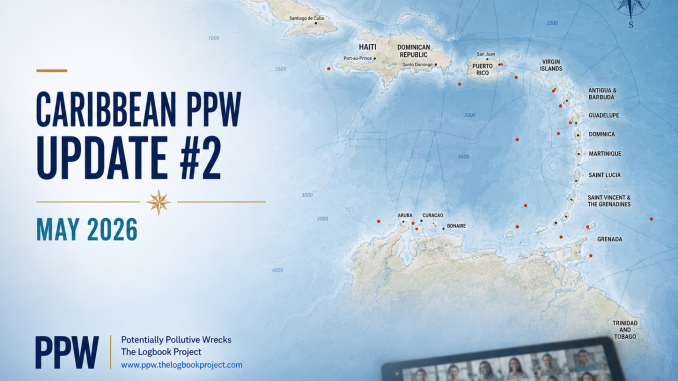
On 26 May 2026, The Log Book Project hosted the second quarterly Caribbean PPW Update, continuing the initiative established in late 2025 to bring together organisations and individuals working to improve understanding of potentially polluting wrecks (PPWs) in the Caribbean.
The meeting provided an opportunity to exchange developments across several complementary areas of work, including international policy initiatives, historical research, oil spill modelling and regional engagement. While these activities are progressing independently, they collectively contribute to building a stronger evidence base for understanding legacy shipwreck pollution in the Caribbean.
International initiatives
Ben Ferrari opened the meeting with an update on the Ocean Heritage Initiative’s Global Potentially Polluting Wrecks Response Project, outlining recent developments and ongoing efforts to strengthen international cooperation on legacy wreck pollution. This was followed by a summary from Ole Varmer on discussions held during the UNESCO NGO meeting in Kingston, highlighting growing international interest in the environmental, cultural heritage and governance aspects of potentially polluting wrecks.
Together, these updates demonstrated that the Caribbean initiative forms part of a much broader international conversation aimed at improving knowledge, collaboration and future management of legacy shipwreck pollution.
Historic Desk-Based Compilation
Lars McKie provided an update on The Log Book Project’s ongoing Historic Desk-Based Compilation (HDBC) programme. The presentation outlined the continued reconstruction of individual WWII casualties through detailed archival research, combining Allied and Axis records, shipping documents and other contemporary sources to improve understanding of vessel histories, cargoes and sinking circumstances.
The discussion reinforced the importance of establishing a robust historical evidence base before considering future field investigations or environmental assessments.
Oil spill modelling
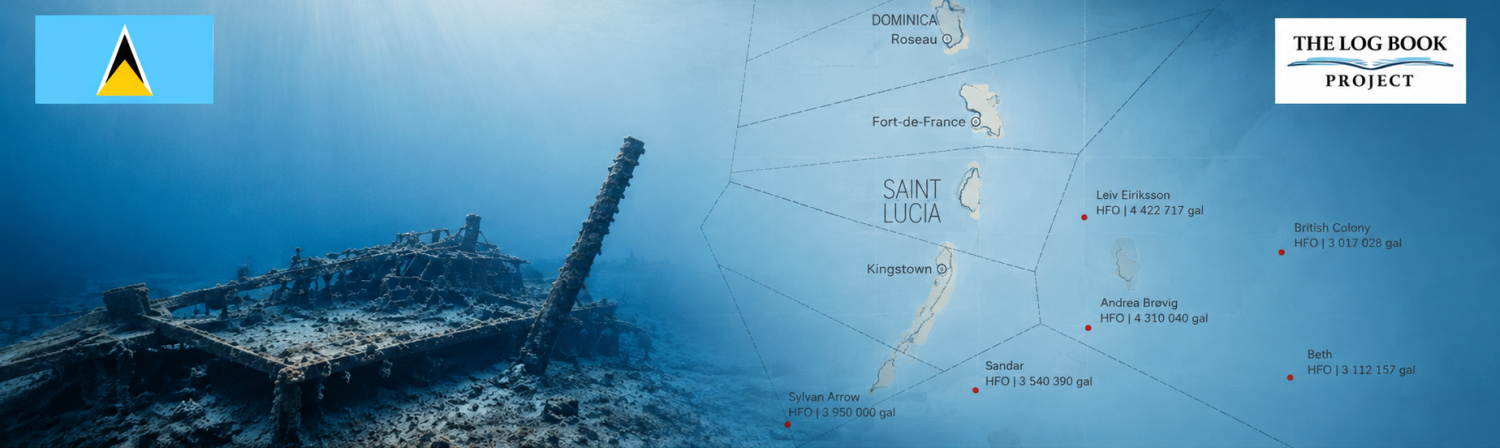
Jørgen Skancke presented progress on oil spill modelling using the WWII tanker Leiv Eiriksson as a case study. The work continues to improve understanding of how oil released from deep-water wartime wrecks may behave under Caribbean environmental conditions and complements the historical research being undertaken within the programme.
By combining numerical modelling with historical evidence, the initiative continues to strengthen the scientific foundation for future studies of potentially polluting wrecks in the region.
Looking ahead
The Caribbean PPW Update continues to develop as an informal quarterly forum for sharing knowledge, strengthening collaboration and maintaining awareness of related work across the Caribbean and internationally.
Although still in its early stages, the initiative is already demonstrating the value of bringing together expertise from history, environmental science, marine technology and policy. As the programme evolves, these quarterly updates will continue to document progress and encourage collaboration towards a better understanding of the Caribbean’s potentially polluting wrecks.
Be the first to comment