The website Potentially Polluting Wrecks of the Caribbean is published by The Log Book Project Ltd. and forms part of its wider research and documentation work.
The company conducts archival research, field documentation, digital mapping, and analytical work across its publications. This page sets out our editorial standards and explains our use of digital technologies — including artificial intelligence — together with our approach to imagery and research integrity.
Use of Artificial Intelligence (AI)
The Log Book Project Ltd. makes measured and responsible use of artificial intelligence (AI) tools across its digital publications.
AI technologies are employed to support research communication, visual presentation, and editorial workflows. Their function is assistive rather than authoritative, and all published material remains subject to human review and editorial oversight.
AI-Generated Imagery
The use of imagery varies across our publications.
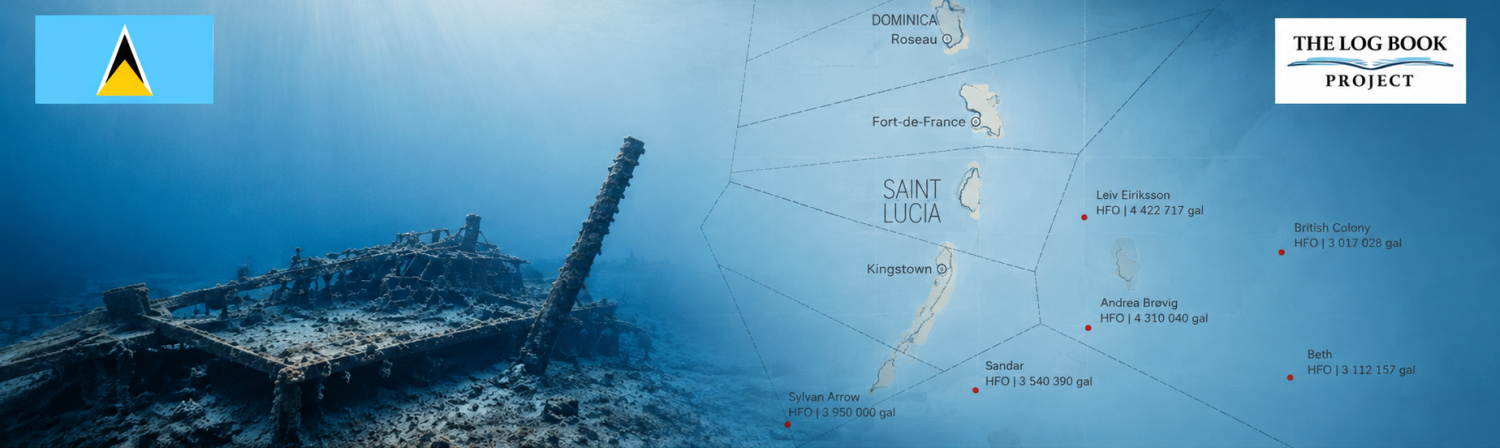
In research areas where archival photographs are limited, restricted, or subject to complex copyright conditions, AI-generated images or internally produced visualisations may be used as a deliberate editorial strategy. This approach allows us to illustrate historical, maritime, and environmental contexts while avoiding copyright conflicts, licensing ambiguities, or the misrepresentation of protected material.
In other publications — particularly those centred on documented individuals or specific historical events — original archival photographs and sourced imagery remain the primary visual material and are presented with appropriate references and attribution.
AI-generated visuals:
- Serve as interpretive or illustrative aids
- Do not constitute archival or documentary evidence
- Are not presented as original historical material
- Are distinguishable from sourced archival imagery
- Support legally compliant and responsible publication practices
This approach reflects our commitment to responsible digital publishing. AI imagery is used to enhance clarity and accessibility while safeguarding intellectual property standards and research integrity. It does not replace primary visual documentation where such material is available and appropriately licensed.
AI-Assisted Editorial Support
Artificial intelligence tools may be used to assist with drafting, structural organisation, summarisation, or language refinement within our editorial workflow.
All research findings, interpretations, and conclusions published by The Log Book Project Ltd.:
- Are grounded in primary and secondary source material
- Are subject to human review and editorial validation
- Are published under full human responsibility
AI systems are used to support clarity and efficiency in communication, but they do not generate original research conclusions, replace archival investigation, or substitute for source verification and scholarly judgement.
This approach ensures that technology enhances, rather than determines, the integrity of our publications.
Research Integrity & Reporting
Across all its publications, The Log Book Project Ltd. is committed to responsible research, accurate representation, and ethically grounded digital publishing. Our use of modern technologies is guided by the same principles that underpin our archival work: transparency, accountability, and respect for source material.
If you believe that any material published on this website is inaccurate, improperly attributed, or in breach of intellectual property rights, we encourage you to contact us. All submissions are reviewed carefully and, where appropriate, corrections or adjustments will be made in accordance with our editorial standards.